Pricing a home well in today’s Charlotte-area market is less about guessing high and more about reading current competition, buyer behavior, and the condition of your property with clear eyes. The right list price can increase showings, strengthen negotiating leverage, and reduce the risk of multiple price cuts that make a listing feel stale. This guide breaks down how sellers can think about timing, comparable sales, and market positioning before the sign goes in the yard.
Start with the market that exists now, not the one from last year
One of the biggest pricing mistakes sellers make is anchoring to a headline, a neighbor’s peak sale, or a number they hope the market will support. In the Charlotte area, conditions can shift quickly from one season to the next, and even from one neighborhood to another. Mortgage rates, inventory levels, builder incentives, and the number of active listings all affect what buyers are willing to pay this month, not what they were willing to pay six or twelve months ago.
A smart pricing strategy begins with the most recent comparable sales, but it does not end there. Closed sales show what buyers actually agreed to pay, while pending listings can hint at where pricing is moving. Active listings matter too, because they are your immediate competition. If several similar homes are sitting on the market, that is a signal to look closely at price, presentation, and condition. If well-prepared homes are moving quickly, that may indicate stronger demand for certain price bands or features.
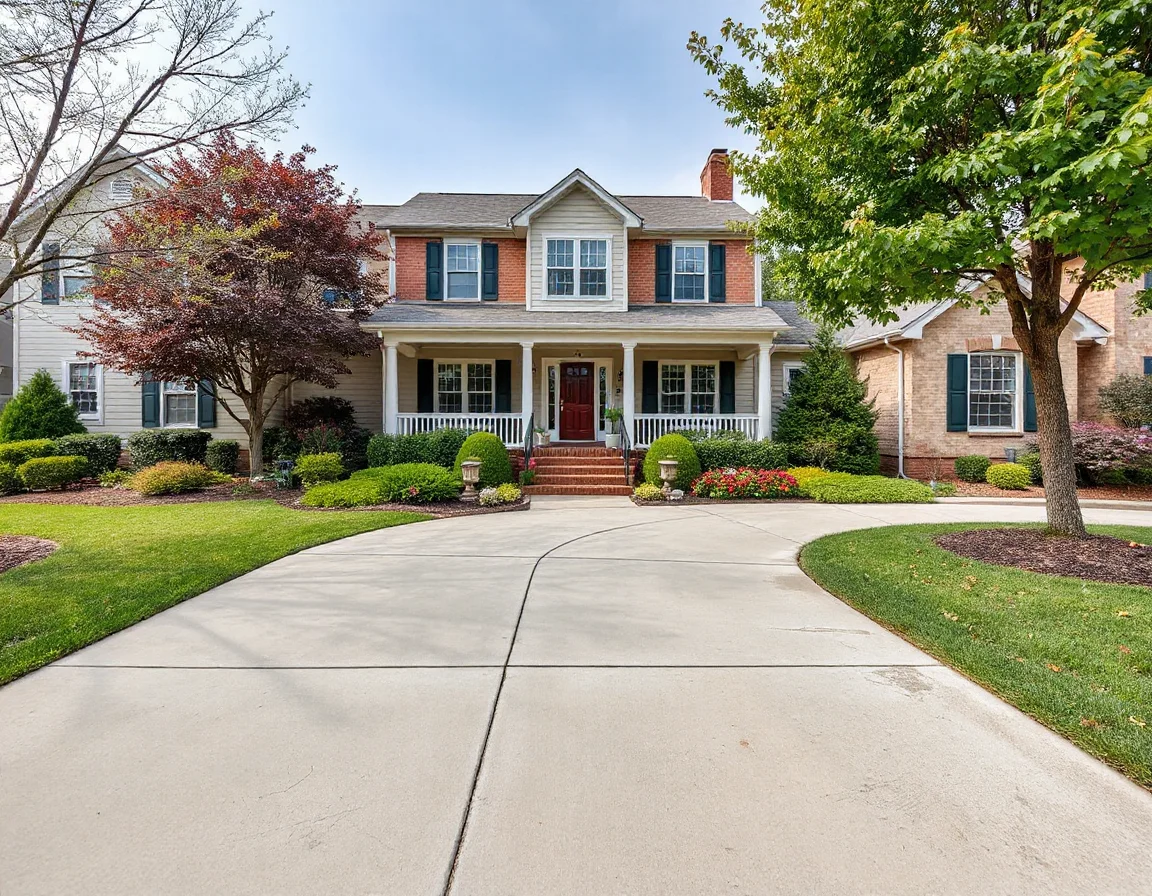
Charlotte-area pricing also benefits from block-by-block context. A home near a greenway entrance, in a newer phase of a neighborhood, or with updates that reduce near-term maintenance can compete differently than a similar property without those advantages. Ryan Willis and Boxwood Realty can draw on local familiarity and real estate experience dating back to 2005 to help sellers interpret those details instead of relying on broad averages alone.
The first two weeks on the market often shape the entire listing trajectory. A well-priced home usually sees the strongest attention early, when new inventory alerts reach the widest pool of active buyers.
Comparable sales are the baseline, but adjustment matters
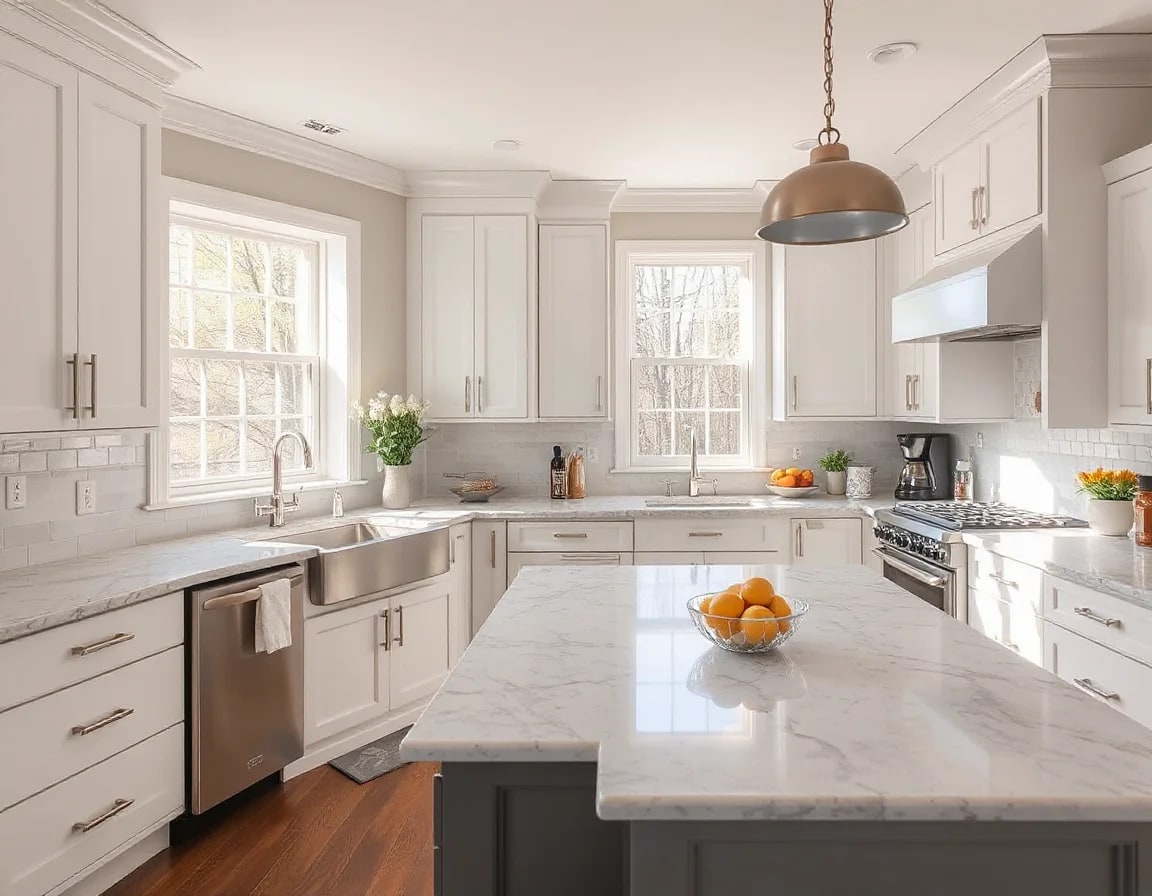
Not every “comp” is truly comparable. Square footage, lot size, age, floor plan, updates, garage space, outdoor living areas, and renovation quality can all influence value. A remodeled kitchen, refreshed baths, newer roof, or finished flex space may justify a stronger position than a nearby sale that looks similar only from the outside. On the other hand, a home that needs paint, flooring, or deferred repairs may need a more conservative approach if sellers want to attract serious offers without a long market time.
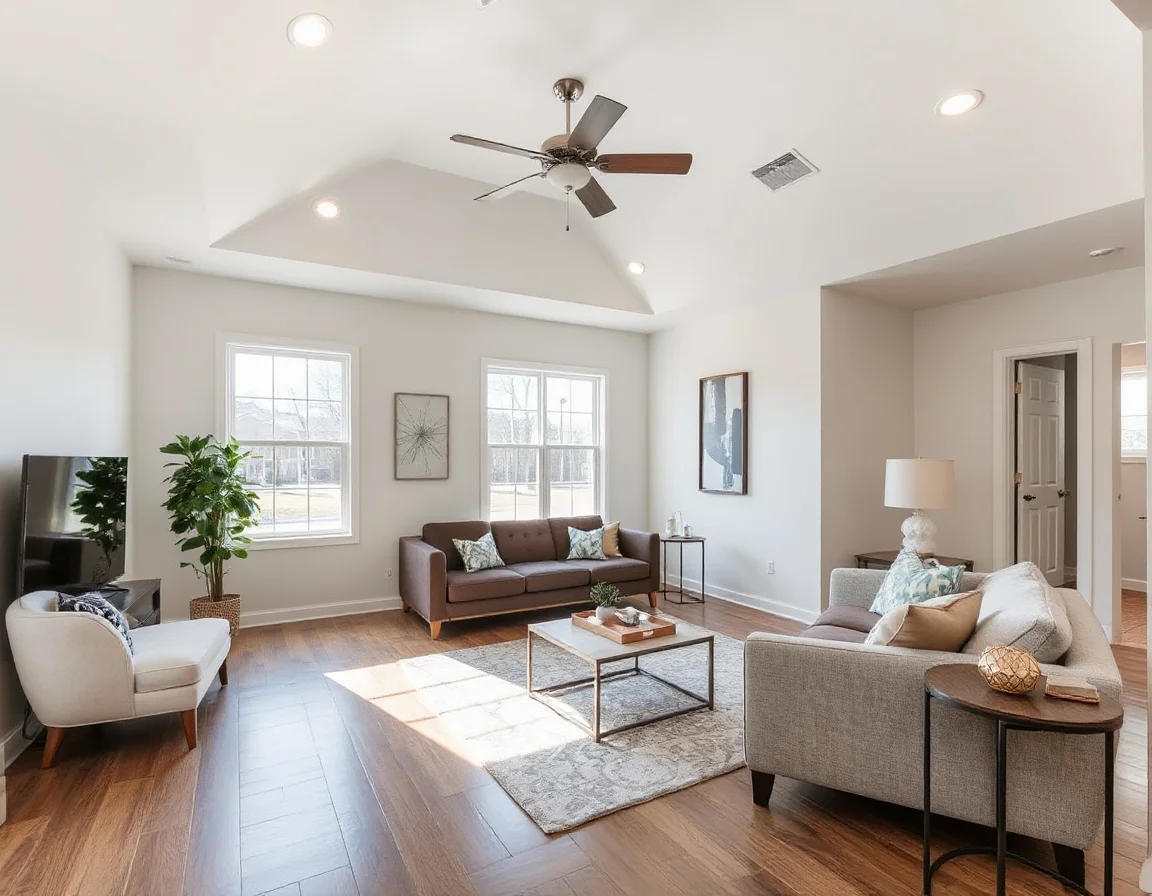
That is where thoughtful adjustments come in. A pricing analysis should account for both measurable differences and the subtler ways buyers react to a property online and in person. A home with excellent natural light, cohesive finishes, and strong curb appeal may create better momentum than another with the same bedroom count but less visual impact. Buyers compare options quickly, and price becomes even more important when presentation is uneven.
Boxwood Realty’s approach can be especially useful when a property has features that are harder to price at a glance. Ryan Willis’s background in development adds another layer of perspective for evaluating improvements, layout potential, and how buyers may view projects already completed or still possible. That does not mean every dollar spent on updates returns dollar-for-dollar at resale, but it does help sellers separate meaningful value drivers from wishful thinking.
It is also important to look beyond the highest sale in a neighborhood. The top sale may have had a premium lot, unusually extensive upgrades, or exceptional timing. Chasing that number without matching its features can backfire. An overpriced listing may get plenty of views online but fewer showings, slower traffic, and lower leverage when offers do arrive.
Price positioning can shape buyer response
There is a practical difference between pricing at market value and pricing for market response. Some sellers want to leave room for negotiation, but in many cases that strategy leads buyers to skip the listing entirely in favor of better-aligned options. Online search filters make pricing bands more important than ever. A home listed just above a common search threshold may miss a significant group of buyers who never see it.
That is why pricing should be strategic, not symbolic. For example, choosing a number that places the home competitively among nearby active listings may generate more tours than reaching for a slightly higher figure that feels satisfying on paper. More activity can create stronger negotiating conditions, especially when the home is presented well and enters the market with a clear, realistic value story.
Timing also matters. New competing listings, interest rate changes, and seasonal inventory shifts can influence the ideal launch price. Sellers who test the market too high often end up reducing later, and repeated cuts can make buyers wonder what is wrong with the property even when the issue was simply the original pricing. A fresh, correctly positioned debut generally gives a listing a stronger start.
A price reduction can help re-engage interest, but the best outcome is often avoiding the first reduction altogether through stronger positioning on day one.
Preparation, presentation, and price work together
Even an accurate price can struggle if the home is not ready for the market. Cleanliness, minor repairs, neutral staging, professional photography, and a clear plan for showings all influence how buyers interpret value. When a home appears move-in ready and well cared for, the asking price feels more credible. If small issues are visible throughout the property, buyers may mentally subtract much more than the actual repair cost.

Preparation does not always mean a full renovation. Often, the best return comes from targeted improvements: paint touch-ups, lighting updates, landscaping refreshes, decluttering, and addressing maintenance items buyers are likely to notice during tours or inspections. Those steps can improve first impressions and help support the price point you want to achieve.
Sellers should also think about their own goals. Is the priority a faster sale, maximizing net proceeds, minimizing disruption, or timing the move around another purchase? The “right” list price depends partly on those goals. A tailored strategy can look different for a home that needs a quick, efficient sale than for one where the seller has more flexibility and wants to test demand within a narrow competitive range.
That is where experienced guidance becomes valuable. Customer service matters, but so does honest advice. A strong agent should be willing to explain the numbers, show how the competition is positioned, and recommend a price that serves the seller’s goals while still making sense in the current market.
Talk with Boxwood Realty about pricing strategy
The best price is the one that helps your next move
In today’s Charlotte-area market, effective pricing is part analysis, part strategy, and part discipline. It means understanding recent sales, reading current inventory, being realistic about condition, and launching with a number that attracts the right level of attention. Sellers do not benefit from being the most optimistic listing on the market if that optimism leads to lost time and weaker offers later.
A well-priced home can create momentum, improve the quality of showings, and put the seller in a better position when negotiations begin. With local market familiarity, years of experience, and a practical perspective on value, Boxwood Realty can help sellers move from guesswork to a plan grounded in current conditions. When price, preparation, and timing line up, the market tends to respond.