
Buying a home in Charlotte means balancing speed, flexibility, and a clear understanding of how neighborhood, condition, and commute patterns affect value. This guide breaks down what buyers should pay attention to before they tour homes, make an offer, and plan for costs beyond the purchase price. If you want a more confident approach to the Charlotte market, these are the details worth knowing early.
Start with the market you are actually shopping in
Charlotte can feel like one market from a distance, but once buyers begin touring homes, the differences become obvious fast. Price points, lot sizes, housing age, renovation level, and traffic patterns can shift noticeably from one part of the city to another. A home with similar square footage may command a very different price depending on proximity to employment centers, major roads, greenways, or established retail and dining corridors.

That is why broad averages only tell part of the story. Buyers often begin with an online search filtered by bedrooms and budget, but the real work is learning where compromises matter least. Would you rather have newer construction farther from the core, or an older home in a more established area? Is a larger yard more important than a shorter commute? These are not just lifestyle questions; they directly shape your offer strategy and long-term resale outlook.
Charlotte also has a steady flow of new construction and infill development, which can create opportunity but also complexity. Ryan Willis of Boxwood Realty brings a development background to that conversation, which can help buyers think beyond finishes and staging to evaluate road access, surrounding projects, lot placement, and the practical value of what is being built nearby.
In Charlotte, two homes with similar list prices can carry very different long-term costs depending on HOA dues, age of major systems, and likely maintenance in the first few years.
Prepare for fast decisions without skipping due diligence
One of the biggest challenges for buyers is moving quickly while still making careful choices. Desirable homes in Charlotte can draw strong interest, especially when they are well-priced and move-in ready. That does not mean every listing will turn into a bidding contest, but it does mean buyers benefit from being organized before the right property appears.
That preparation starts with financing. A current pre-approval letter, a realistic monthly payment target, and a clear picture of available cash for down payment and closing costs can make your search much more effective. It also helps you react with less stress when a strong option hits the market. Without that groundwork, buyers can lose valuable time comparing loan scenarios after they have already found a home they want.
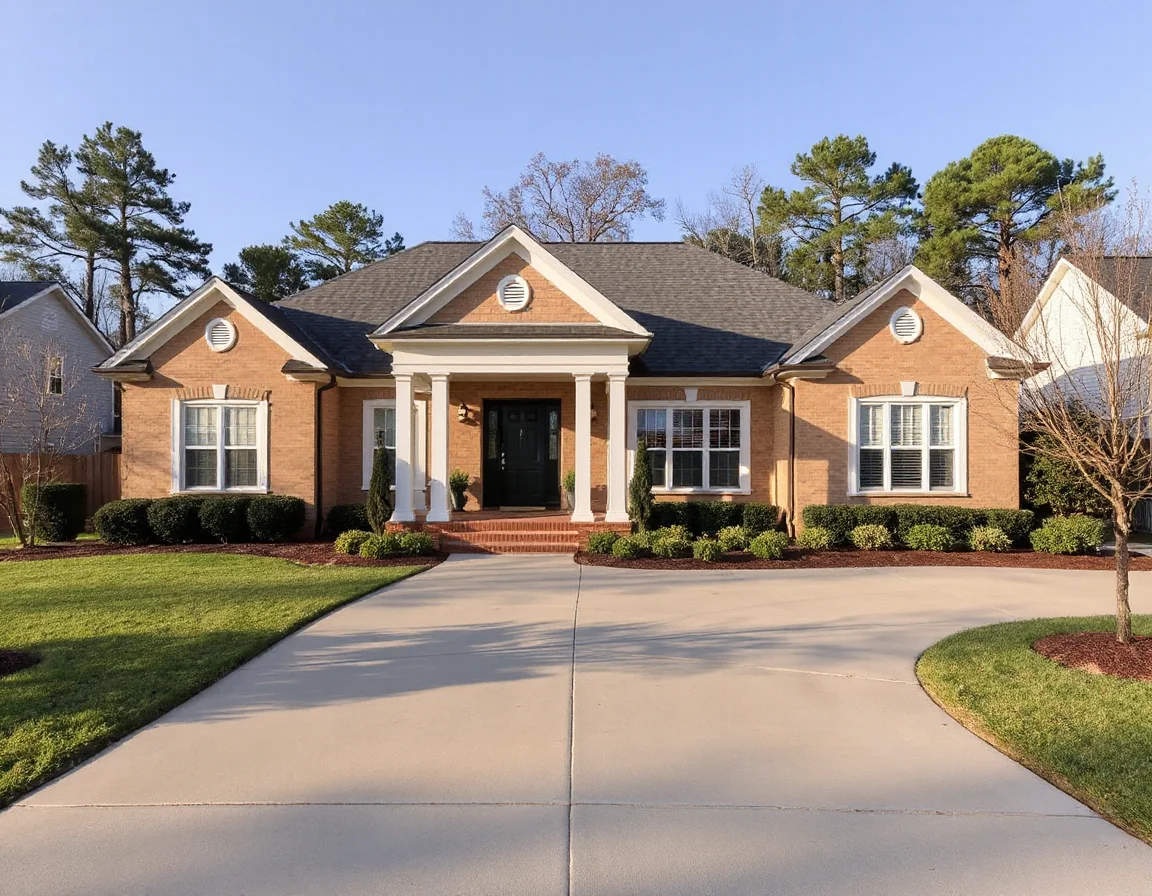
Due diligence matters just as much as speed. Buyers should look closely at roof age, HVAC condition, drainage, crawl spaces or basements where applicable, windows, and signs of deferred maintenance. In some neighborhoods, older housing stock can offer character and location advantages, but it may also require a more careful review of systems and repair history. In newer communities, buyers may want to understand builder reputation, warranty coverage, and how nearby phases of construction could affect noise, access, or future streetscape.
Offer terms deserve the same attention as price. Closing timeline, repair expectations, appraisal risk, and any requested concessions can all shape whether an offer is competitive. A well-structured offer is not always the highest one. It is often the one that gives the seller confidence while still protecting the buyer from avoidable surprises.
When inventory feels tight, clarity beats urgency. Buyers who know their top three priorities usually make stronger offers than buyers trying to decide everything at once in the driveway.
Look beyond the house to the day-to-day experience
A polished kitchen and fresh paint can make a home show well, but buying in Charlotte is also about what daily life around the property will feel like. Consider how you move through a typical week. Test the drive at the times you would actually use it. Look at access to grocery options, parks, greenways, medical services, and routine errands. Notice whether the street feels connected to the places you visit often or whether every trip requires more time than you expected.
Outdoor space also deserves a practical eye. In Charlotte, usable yards, shade, drainage, and privacy can influence how much you enjoy a property long after closing. A large lot may sound appealing, but if it slopes sharply or holds water after rain, the experience can be different from what the listing photos suggest. The same goes for townhomes and condos, where shared amenities, parking configurations, and HOA rules should be reviewed closely before writing an offer.
Schools are another area where buyers should do their own research using official and current sources if that factor matters to them. Attendance zones, program availability, and assignment policies can change, so it is best to verify details directly rather than rely on old listing information or informal assumptions.
Budget for ownership, not just the purchase
Many buyers focus heavily on list price and mortgage payment, but successful planning includes the first year of ownership too. Property taxes, insurance, utilities, HOA dues, moving costs, and early maintenance can add up quickly. Even a home in excellent condition may need small purchases right away, from appliances and window treatments to landscaping tools and routine service appointments.
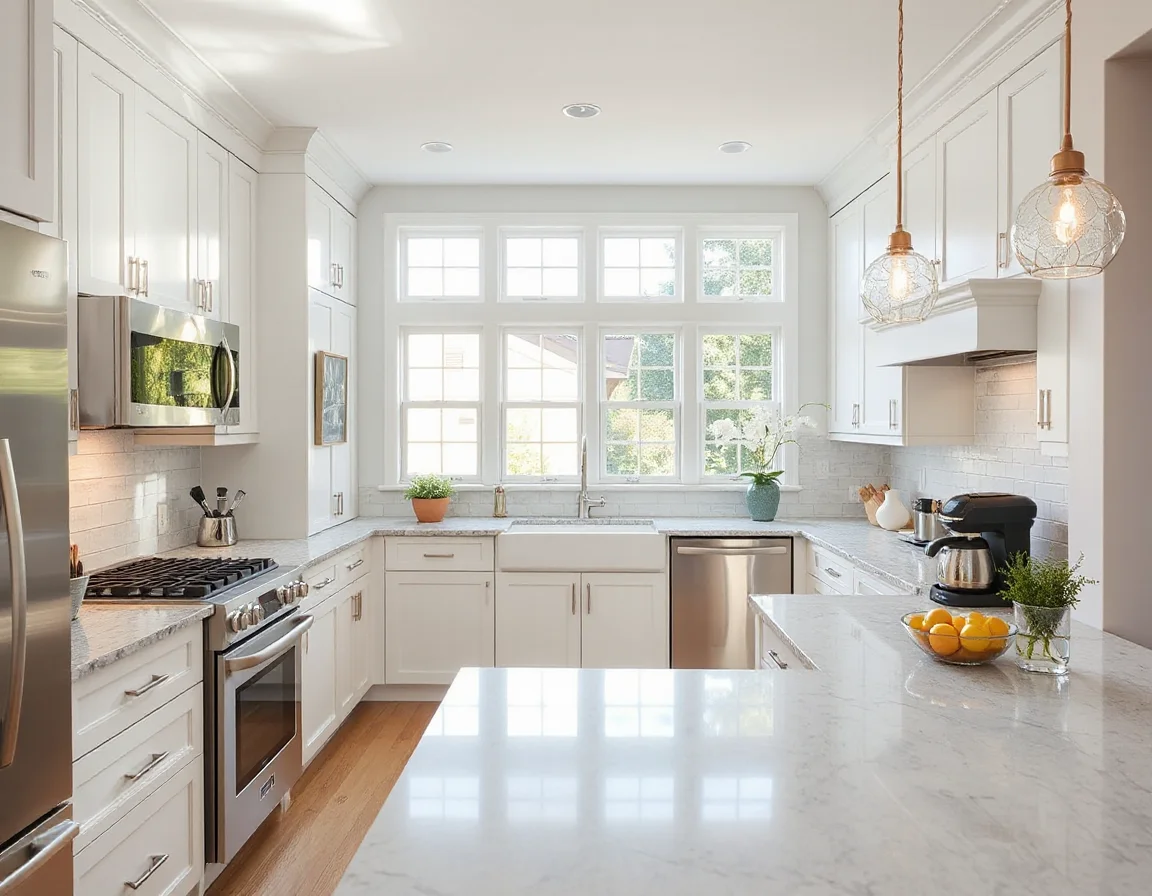
This is where local guidance can make a difference. A buyer who understands common price points for repairs, the tradeoffs between renovated and original-condition homes, and the impact of nearby development is usually in a stronger position than someone comparing homes only on cosmetics. Experience matters not just during negotiation, but during the process of narrowing choices to the ones that make sense financially and practically.
Charlotte remains an appealing place to buy because it offers a wide range of housing styles, access to major employers, growing amenities, and varied neighborhood patterns across the region. For buyers, the goal is not simply to win a house. It is to buy the right property at the right terms with a clear view of what ownership will look like once the excitement of the contract period is over.
If you are beginning your search, a thoughtful plan will usually outperform a rushed one. Knowing your budget, understanding your must-haves, and working with an agent who knows how Charlotte has evolved can help you move with confidence when the right opportunity appears.